
How Do I Find Out Which Scams Are Trending in My Region?
Want to know which scams are trending in your area? Learn how to track regional fraud using law enforcement alerts, national databases, and crowdsourced tools — and how to verify suspicious links before you act.
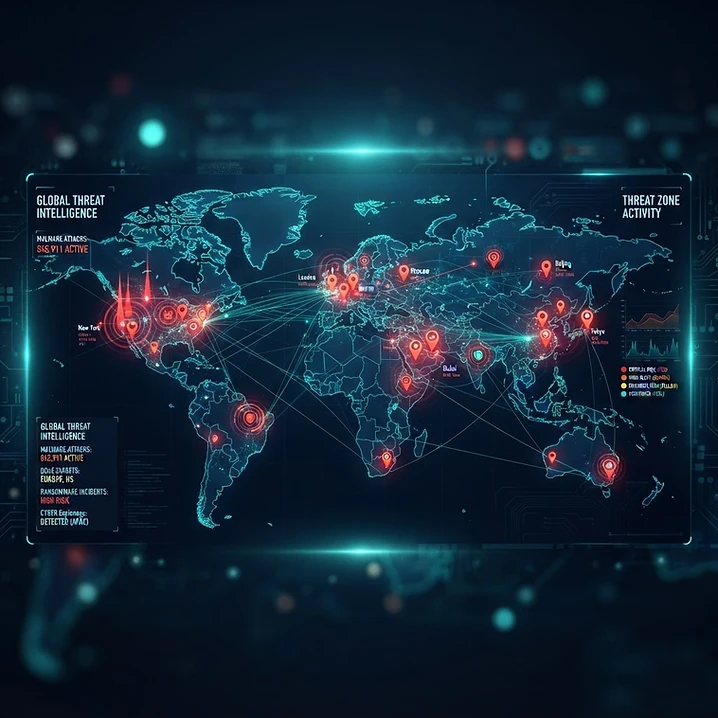
Quick Answer: How Do I Find Out Which Scams Are Trending in My Region?
To track active consumer fraud and phone-based threats in your geographical area, use these four methods:
- Audit regional law enforcement logs — local police departments and sheriff networks often publish digital alerts about neighborhood threats such as fake utility notices or fraudulent package delivery links affecting specific zip codes or districts.
- Review national threat repositories — in the United States, check the FTC Consumer Sentinel Network and the FBI's IC3.gov database. In the United Kingdom, use Action Fraud UK. In India, reference the National Cyber Crime Reporting Portal.
- Cross-reference crowdsourced fraud indexes — public consumer-protection boards and community lookup tools where people report unknown phone numbers and lookalike URLs can reveal emerging local patterns.
- Use an automated security dashboard — instead of manual searches, connect to a tool that tracks regional scam patterns and alerts you when new threats appear.
Online scams are not evenly distributed. The threats active in one city or region can differ significantly from those in another, because scammers tailor their messages to local banks, delivery services, and utilities to build trust. Asking how do I find out which scams are trending in my region is a practical step toward recognizing local traps before they reach you.
This guide covers the verified sources you can check, how to interpret them, and how to build a proactive local safety routine.
1. Audit regional law enforcement logs
Local police departments, sheriff offices, and municipal cybercrime units frequently publish alerts about threats affecting their jurisdiction. These are often the fastest local source because they respond to complaints filed by residents in real time.
- Check your local police department's website or social media accounts for scam alerts.
- Look for neighborhood watch or community safety bulletins.
- Some regions offer email or text alert subscriptions for local fraud warnings.
These alerts commonly cover threats such as fake gas or electricity utility notices, fraudulent package delivery links, and impersonation of local government offices.
2. Review national threat repositories
National databases aggregate fraud reports from across the country and let you search by scam type, region, or time period. Use the official source for your location:
- United States: FTC Consumer Sentinel Network and the FBI Internet Crime Complaint Center (IC3) at ic3.gov.
- United Kingdom: Action Fraud at actionfraud.police.uk.
- Canada: Canadian Anti-Fraud Centre at antifraudcentre.ca.
- Australia: Scamwatch at scamwatch.gov.au.
- India: National Cyber Crime Reporting Portal at cybercrime.gov.in and the 1930 helpline.
You can find verified, country-specific reporting channels through GoCheckAI's country guides and official hotlines.
3. Cross-reference crowdsourced fraud indexes
Community-driven boards and lookup tools let people report unknown phone numbers, suspicious domains, and scam messages. These can surface emerging patterns before they appear in official statistics.
- Use them to look up an unknown number or domain you have received.
- Remember that crowdsourced reports are unverified — a single report does not confirm a scam, and the absence of reports does not confirm safety.
- Treat crowdsourced data as one signal among several, not as proof.
4. Use an automated security dashboard
Manual searches across multiple sources take time and can leave gaps. An automated tool that tracks scam patterns and assesses suspicious links on demand helps you act faster when a new threat reaches your phone.
GoCheckAI helps you assess suspicious links, messages, and phone indicators so you can decide whether something is safe before you interact with it. You can check a suspicious link or message at any time, and build a personalized action plan if you have already been affected.
How scammers localize their traps
Fraud operators customize their messages using details that feel familiar to people in a specific region — a local bank's name, a regional delivery service, or a nearby utility company. This is why the same scam script can look completely different depending on where you live.
To separate a real message from a localized fake, inspect the digital infrastructure behind any link:
- Check the exact domain — lookalike domains use the brand name but are not the official domain.
- Be aware that a padlock (HTTPS) only confirms encryption, not that the site is legitimate.
- Note that a recently registered domain is a signal worth extra caution, though not proof of fraud on its own.
How GoCheckAI can help
GoCheckAI is an independent platform that helps you assess suspicious URLs, messages, and phone indicators and organize scam-related information.
- Free scanner: Paste an unknown link, message, or phone indicator into the GoCheckAI checker to get a risk assessment and an explanation of the signals found — at no cost.
- GoCheckAI Pro: Adds continuous monitoring of suspicious indicators linked to your case, plus deeper analysis tools. See the Plans page for current features and pricing.
- GoCheckAI Family: Protect up to several family profiles under a shared dashboard. See the Plans page for details.
GoCheckAI does not guarantee that any link or number is completely safe or unsafe, and using the platform does not guarantee prevention of fraud or recovery of lost funds. It is a decision-support tool to help you act more confidently.
Want to track threats in your area?
GoCheckAI Pro adds continuous monitoring of suspicious indicators linked to your case. Explore the plans — no guarantees, just tools to help you stay ahead.
Explore GoCheckAI Protection PlansFAQ
How do I find out which scams are trending in my region?
Check local law enforcement alerts, national fraud reporting databases for your country, crowdsourced community boards, and an automated security tool that tracks scam patterns. Combining these sources gives you a more complete picture than any single source alone.
Where can I check local scam reports?
Start with your local police department's website or social media, then check your country's national fraud database — such as the FTC and IC3 in the US, Action Fraud in the UK, the Canadian Anti-Fraud Centre, or the National Cyber Crime Reporting Portal in India.
What official sources track regional fraud?
Official sources include national consumer protection agencies, cybercrime reporting portals, and financial regulators. GoCheckAI's country guides list verified reporting channels for many countries.
Can GoCheckAI show me scams in my area?
GoCheckAI can assess individual suspicious links, messages, and phone indicators and explain the risk signals it finds. It does not maintain a live map of every active regional scam, but it helps you evaluate specific threats you encounter.
How often do regional scams change?
Scam patterns can shift quickly — sometimes within days — as scammers adapt to news events, seasonal events, and new vulnerabilities. Checking sources regularly, rather than once a year, helps you stay current.
Are local police alerts reliable for scam warnings?
Yes. Alerts from local law enforcement are based on complaints filed by residents and are typically current. They are one of the fastest local sources, though they cover only what has been reported to that agency.
Conclusion
Staying ahead of local digital threats means checking a mix of official and community sources regularly, inspecting the domain behind any suspicious link, and using a tool that helps you assess threats on demand. Never enter financial details on unsolicited links, and always verify an offer or alert through official channels before you act.
If you have already been affected, create an action plan to get a prioritized, country-specific recovery checklist.
Important
This article is for general informational purposes only and is not legal, financial, or professional advice. GoCheckAI is an independent platform and is not affiliated with any government agency. Always report crime to official authorities in your country.
High Risk of Recovery Scam
Scam victims are often targeted again by fake “recovery agents.”
- Anyone claiming “We can recover your money for a small upfront fee” is almost certainly a scammer.
- Recovery is never guaranteed. No legitimate service charges an upfront fee to retrieve stolen funds.
- Scammers buy victim lists — expect fake “hackers”, “officials”, and “lawyers” to contact you.