
Venmo & Cash App Accidental Deposit Scam: How to Handle It Safely
Got unexpected money from a stranger on Venmo or Cash App asking you to send it back? Learn how to handle an accidental deposit scam safely without losing money.
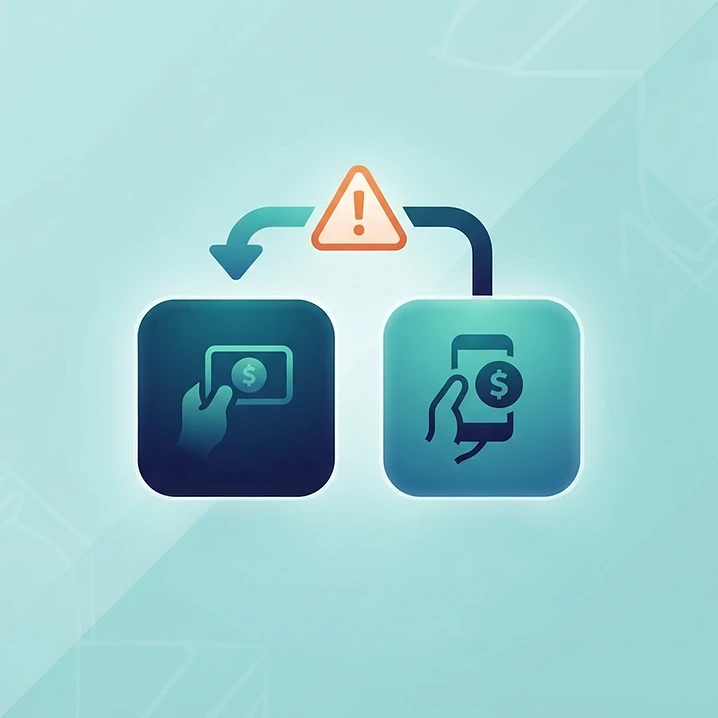
Getting money from a stranger on Venmo or Cash App that you weren't expecting — followed by a message asking you to "send it back" — is a well-known pattern. Here's how to handle it safely without losing your own money.
Quick Answer
If a stranger sends you money unexpectedly and asks you to send it back, do not rush to send a new payment. Leave the unexpected funds alone, document the transaction, and use the platform's official support or refund process.
What to do now:
- Do not send a new payment to the stranger.
- Do not move or spend unexpected funds.
- Save the transaction details and messages.
- Contact the platform through its official app or website.
- Follow the platform's official instructions for returning or refunding the payment.
What Is the Accidental Deposit Scam?
In an accidental deposit scam, a stranger sends you money you didn't expect, then messages you claiming it was a mistake and asking you to send it back. The funds are often from a stolen card or compromised account. If you send a new payment back, the original transfer may later be reversed or disputed — and you're left having paid the scammer out of your own money.
How the Scam Works
The scam relies on social pressure and the assumption that you'll act quickly to "fix" someone's mistake. A typical sequence:
- You receive an unexpected payment from a stranger.
- The sender messages you saying it was sent by accident.
- They ask you to return the money, often with a sense of urgency or a sympathetic story.
- If you send a new payment, the original funds may be reversed later because they came from a stolen source.
- You lose the amount you "returned," and the scammer disappears.
The key trap is sending a new payment rather than using the platform's official refund process. A new payment is your own money going out — and it may not come back.
Can Venmo Reverse an Accidental Payment from a Stranger Reported as Fraud
Payments can have different statuses and circumstances, and you should not assume a payment can simply be canceled. Venmo's official guidance says that users who receive a payment from a stranger should contact Venmo Support rather than attempting to return it themselves.
Before contacting support, preserve:
- The sender's username and profile details
- The transaction ID and amount
- The date and time
- Any messages from the sender
- Screenshots of the payment and conversation
It helps to understand the difference between a few situations:
- Accidental payment — someone genuinely sent money to the wrong person.
- Unauthorized transaction — a payment made without the account owner's permission.
- Scam — a payment sent from stolen funds with the intent of tricking you into sending money back.
Each is handled differently, and Venmo may not reverse every transaction. Don't assume an outcome — contact support and follow their instructions.
How to Refund a Scammer on Cash App Safely Without Losing Money
The safest approach is to avoid sending a brand-new payment to someone you don't know. A new payment is your own money, and if the original funds were stolen or from a compromised account, you may not recover what you send.
When a refund is appropriate, follow Cash App's current official refund mechanism rather than sending a separate payment. Where applicable, use the refund option associated with the original transaction. If you're unsure how to proceed, contact Cash App support through the app or official website before doing anything.
Do not send money to a different account, do not send money to "verify" anything, and do not let urgency push you into acting before you've checked with the platform. GoCheckAI cannot recover Venmo or Cash App funds, but it can help you analyze suspicious messages and organize your evidence.
Red Flags That a "Wrong Payment" Is Actually a Scam
- The sender messages you immediately, asking you to return the money.
- There's urgency, a sympathetic story, or pressure to act fast.
- The sender asks you to send a new payment rather than use a refund option.
- The sender asks you to send money to a different account or phone number.
- The payment is for an odd amount, or there are multiple small payments.
- The sender's profile looks new, has little history, or seems impersonated.
- You're asked to provide personal information, OTPs, or account details to "resolve" it.
What You Should Never Do
- Don't send a new payment to the stranger to "return" the money.
- Don't send money to a different account or phone number.
- Don't move, spend, or withdraw the unexpected funds — leave them alone.
- Don't share OTPs, account details, or personal information with the sender.
- Don't let urgency push you into acting before contacting the platform.
- Don't assume the platform will automatically reverse it — follow official instructions.
What Evidence Should You Save?
Save everything related to the transaction so you can report accurately:
- The sender's username, display name, and profile screenshot
- The transaction ID, amount, and date/time
- All messages from the sender
- Screenshots of the payment and conversation
- Any notifications or emails from the platform
- The case or reference number support gives you
Scammers rely on confusing messages, fake identities, and time pressure.
Before responding, use GoCheckAI to analyze suspicious messages or links and organize your transaction evidence.
Check With GoCheckAIOrganize what happened in one place.
Use the GoCheckAI Incident Board to organize transaction IDs, screenshots, dates, usernames, messages, and other relevant evidence.
Open Incident BoardVenmo vs Cash App: What Changes?
The core advice is the same on both platforms: don't send a new payment to a stranger who asks for money back. The details of refunds and support differ by platform, so always follow the platform's current official process.
- Venmo — Venmo advises users who receive a payment from a stranger to contact Venmo Support rather than returning it themselves.
- Cash App — avoid sending a new payment back; where applicable, use the refund option associated with the original transaction, and contact Cash App support if unsure.
Platform policies and interfaces change over time. When in doubt, use the official app or website to reach support — not a link from a message.
What to Do If You Already Sent Money Back
If you already sent a new payment to the stranger:
- Contact the platform's support immediately through the official app or website.
- Report the transaction and provide the transaction ID, sender details, and messages.
- Don't send any additional money, even if the sender asks again.
- Change your account password and enable MFA if you shared any account details.
- Save all evidence — transaction IDs, screenshots, messages, and dates.
- Watch your linked bank or card for unauthorized charges and contact your bank if needed.
GoCheckAI can't recover these funds, but it can help you organize the evidence and prepare the information support may ask for.
Frequently Asked Questions
What is the accidental deposit scam on Venmo or Cash App? A stranger sends you unexpected money, claims it was a mistake, and asks you to send it back. The original funds are often from a stolen source. If you send a new payment, the original may be reversed later — and you lose your own money.
Should I send the money back if a stranger paid me by mistake? No. Don't send a new payment. Leave the funds alone, document everything, and contact the platform's official support. Follow their instructions for returning or refunding the payment.
Can Venmo reverse an accidental payment from a stranger? It depends on the circumstances. Venmo's official guidance says users who receive a payment from a stranger should contact Venmo Support rather than returning it themselves. Don't assume a payment can simply be canceled — contact support and follow their process.
How do I refund a scammer on Cash App without losing money? Don't send a new payment. Where applicable, use the refund option associated with the original transaction, and contact Cash App support if unsure. Sending a new payment is your own money going out and may not come back.
What if I already sent the money back — can I get it back? Contact the platform's support immediately through the official app or website, report the transaction, and provide all evidence. Recovery isn't guaranteed. Don't send any additional money, and watch your linked accounts for unauthorized charges.
Can GoCheckAI recover my Venmo or Cash App funds? No. GoCheckAI cannot recover funds, reverse payments, or contact Venmo or Cash App on your behalf. It can help you analyze suspicious messages and organize your evidence.
What evidence should I save from an accidental deposit scam? Save the sender's username and profile, the transaction ID and amount, the date and time, all messages, screenshots, and any case numbers from support.
Pause before you send anything back
The single most important rule: don't send a new payment to a stranger who asks for money back. Leave the unexpected funds alone, contact the platform through its official app or website, and follow their instructions. Acting through official channels — not urgency — is what protects your money.
Get GoCheckAI Pro — $9/month
Use GoCheckAI to analyze suspicious content and organize your incident evidence before taking your next step.
Get GoCheckAI Pro — $9/monthSources
- Venmo Help & Security — help.venmo.com
- Cash App Support — cash.app/help
- FTC Report Fraud — reportfraud.ftc.gov
Important
This article is for general informational purposes only and is not legal, financial, or professional advice. GoCheckAI is an independent platform and is not affiliated with any government agency. Always report crime to official authorities in your country.
High Risk of Recovery Scam
Scam victims are often targeted again by fake “recovery agents.”
- Anyone claiming “We can recover your money for a small upfront fee” is almost certainly a scammer.
- Recovery is never guaranteed. No legitimate service charges an upfront fee to retrieve stolen funds.
- Scammers buy victim lists — expect fake “hackers”, “officials”, and “lawyers” to contact you.